

The Engine of North Texas: Why DFW Continues to Thrive
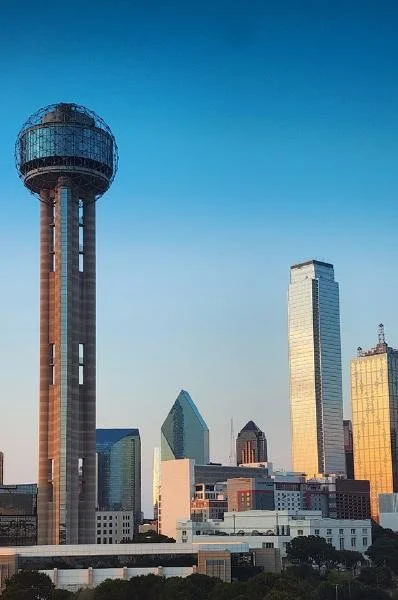
Reunion Tower, Downtown Dallas, TX
Terrific things happen when millions of people pursue opportunity in their own unique way, and nowhere is that more evident than the Dallas-Fort Worth Metroplex. While maps label it as a single region, DFW is better understood as a collection of thriving communities, each with its own identity, strengths, and ambitions. More than 230 cities, towns, and municipalities stretch across one of America's largest metropolitan areas, creating a landscape where innovation, culture, and entrepreneurship flourish side by side. Rather than being defined by one downtown or one industry, DFW has become a place where success can emerge from virtually any direction.
The region's remarkable story began long before gleaming corporate campuses and bustling airports filled the skyline. Dallas grew into a financial and commercial powerhouse thanks to the railroad, cotton trade, banking, and aviation, while Fort Worth earned its reputation as the gateway to the American West through cattle, ranching, manufacturing, and the famous Stockyards. Although the two cities developed with different personalities, their friendly rivalry encouraged both to invest heavily in growth and infrastructure.
That competitive spirit continues to shape North Texas today, creating one of the strongest economies in the nation.
One of DFW's greatest strengths is its decentralized approach to development. Instead of relying on a single economic center, cities throughout the metroplex compete to attract businesses, residents, and investment. Communities such as Plano, Frisco, Westlake, Irving, McKinney, and Grapevine have become major destinations in their own right, each offering a unique mix of opportunity and quality of life. This healthy competition encourages innovation, keeps local governments focused on improvement, and allows businesses to find the environment that best matches their goals.
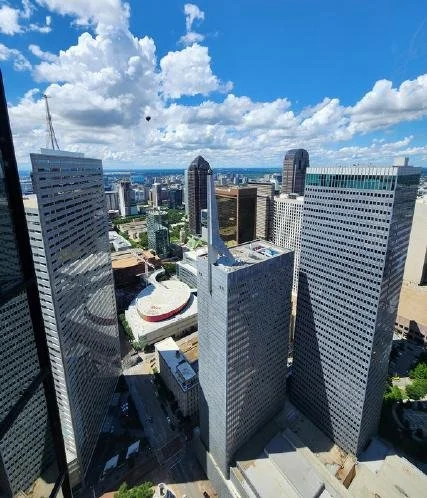
Dallas Skyline from The Tower Club
That formula has attracted some of the world's most recognizable companies. Toyota North America, Charles Schwab, Liberty Mutual, JPMorgan Chase, FedEx, and countless other organizations have invested billions of dollars into North Texas, bringing thousands of high-paying jobs with them. Massive headquarters and state-of-the-art campuses continue to transform open prairie into centers of commerce, proving that DFW remains one of America's premier destinations for business expansion. Companies are drawn by Texas' pro-business climate, talented workforce, and central location, creating opportunities that benefit residents across the entire region.
Despite its incredible growth, DFW has never lost the character that makes each community special. Visitors can experience a cattle drive through the historic Fort Worth Stockyards in the morning, explore the world-class Dallas Arts District in the afternoon, and enjoy a lakeside sunset in a neighboring suburb before ending the evening at a locally owned restaurant. Every exit along the highway tells a different story, offering its own blend of history, culture, entertainment, and entrepreneurship. This diversity gives the metroplex an energy that few places can match. Like every fast-growing region, DFW faces challenges, including transportation, water resources, and managing rapid development.
Yet its history demonstrates an extraordinary ability to adapt and evolve as new opportunities arise. Communities continue investing in infrastructure, businesses continue creating jobs, and families continue choosing North Texas as the place to build their futures. As America's fourth-largest metropolitan area continues its climb toward becoming one of the nation's most influential economic regions, Dallas Fort Worth stands as a powerful reminder that lasting prosperity doesn't always come from thinking alike. Sometimes it comes from hundreds of communities pursuing excellence together while proudly maintaining the identities that make each one unique.