The $5 Billion Dollar Mile
The Editorial Staff
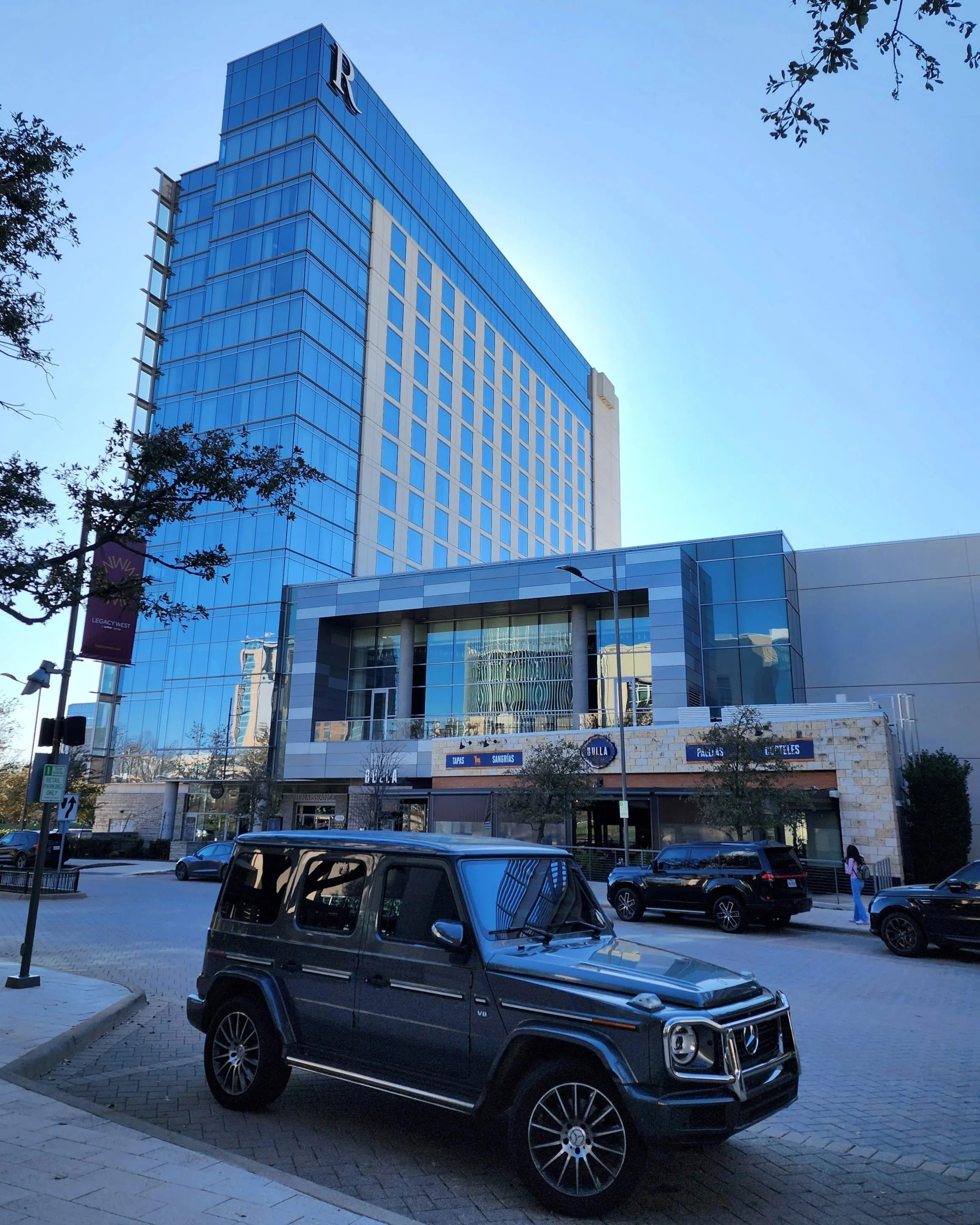
Frisco’s Economic Development Has Been Significant.
Not long ago, the stretch of land along the Dallas North Tollway in Frisco was little more than open prairie and a promise. Today, it’s known as Frisco’s “$5 Billion Mile”.
It is now a dense corridor of corporate headquarters, hotels, luxury apartments, and entertainment venues that looks like a flashy suburban boom. The corridor represents something far more important: a blueprint for how modern American metros could grow. This mile-long stretch of development didn’t just change Frisco.
It helped redefine how corporate gravity works in North Texas, shifting the region from a single-downtown economy to a network of competing urban centers.
At the heart of this transformation is the Dallas Cowboys NFL team, whose headquarters and training complex anchored what would become one of the most ambitious development corridors in the Dallas–Fort Worth region. When the Cowboys committed to Frisco, they didn’t just build a facility; they de-risked everything around it, spurring increased investment and development in the area and making hotels and office towers financially viable and attractive to developers. Residential density followed. A speculative idea evolved into a bankable ecosystem.
From an Empty Land to an Economic Engine
In the early 2010s, this one-mile stretch of Frisco was largely undeveloped. What developers saw, however, was access: direct connectivity to the Dallas North Tollway, proximity to regional job centers, and enough available land to build an entire district from scratch. Developers saw Frisco not for what it was, but for what it could be.
Just over a decade later, the results are visible in concrete, glass, and steel. The results are found in the numbers.
A Focus on Business Development
According to the United States Census Bureau QuickFacts, Frisco’s population has surged from just over 200,000 in 2020 to well over 235,000 by 2024, making it one of the fastest-growing cities in the country. This growth is similar to what’s happening along the Dallas Tollway corridor: a greater population living in close proximity, and high-rise buildings replacing once-vast, empty fields.
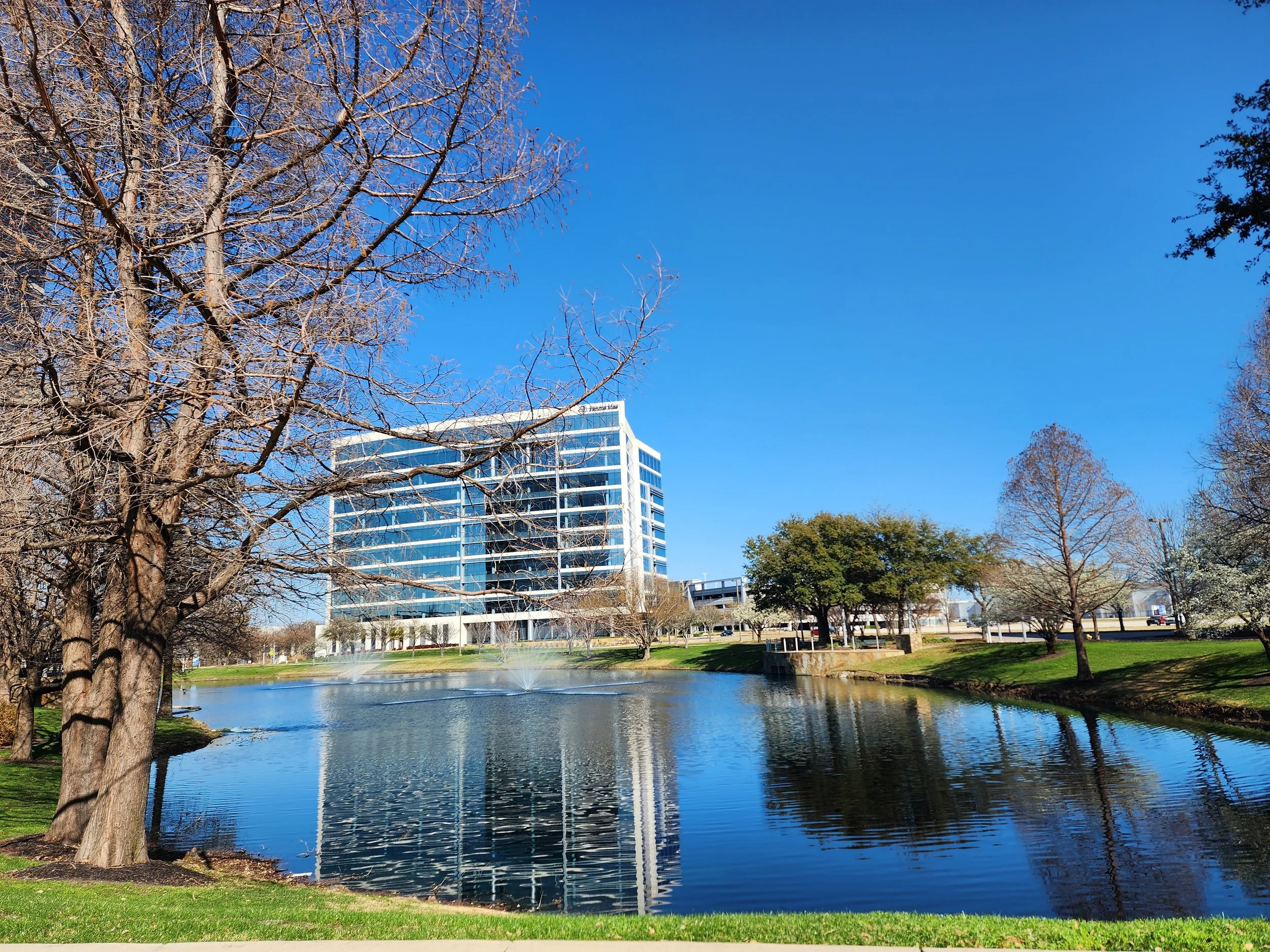
The Population of Frisco Has Been Growing by over 20%.
City-Data reports that Frisco’s median household income is dramatically higher than both Texas and the national averages. The median household income is driven by employment in the professional, technical, healthcare, and corporate sectors. That income profile helps explain why large-scale mixed-use projects and luxury residential developments continue to succeed in the corridor. Frisco continues to attract young, highly educated professionals who demand high-end retail, hospitality, and premium office space. The white-collar Frisco workforce is moving in at scale.
The Business Collapse that Changed The Playbook
Not every bet paid off. A highly publicized $2 billion mixed-use megaproject in the corridor collapsed, leaving behind stalled construction and unanswered questions. The failure forced developers and city leaders to reassess market assumptions built during an era of cheap capital and optimistic projections of office demand. The collapse did not stall Frisco’s development; it refined it.
In its place emerged a $3 billion replacement project, reshaped by new realities: more flexible office space, heavier residential components, experiential retail, and entertainment-driven destinations.
The pivot reflects how post-pandemic market demand has shifted away from pure office density and toward walkable, live-work-play environments that attract both talent and tourists. The $5 billion mile did not just bounce back from a financial disaster; it learned from it.
Tech Investments That Support The Vision
What makes Frisco’s corridor significant isn’t just its scale; it’s what it reveals about the evolution of Dallas–Fort Worth itself. DFW is no longer organized around one dominant downtown. Instead, it operates as a constellation of competing centers of gravity: corporate campuses, lifestyle districts, and employment hubs spread across the region.
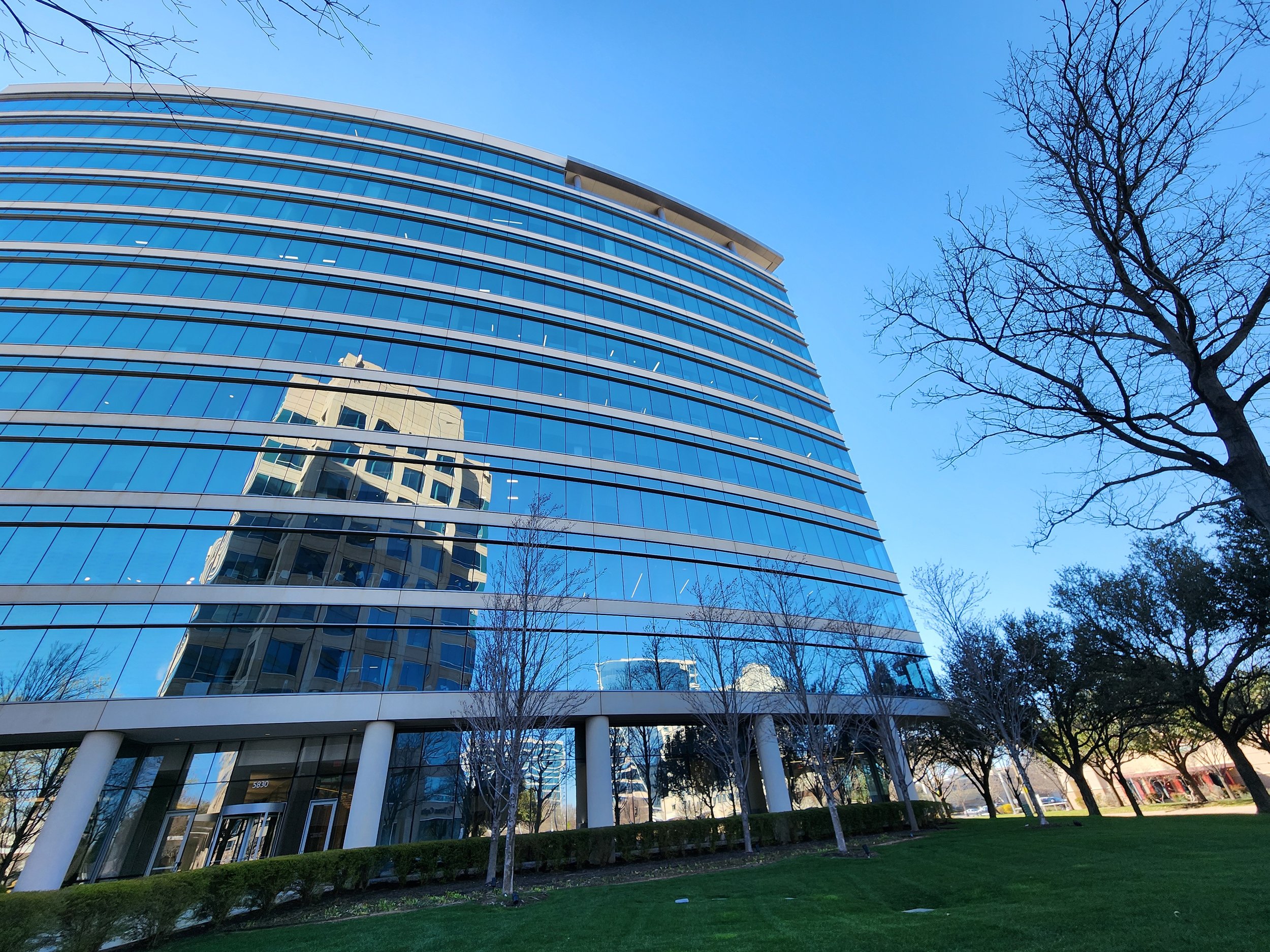
Frisco Has Become a Hub For Corporate Logistics.
Frisco’s Tollway corridor has become one of those gravity wells — a place where corporate relocations, hospitality investment, and residential density reinforce each other in real time. In this sense, Frisco didn’t simply grow. It helped rewrite the rules of where power, talent, and capital cluster in North Texas.
How Frisco Became One of DFW’s Success Stories
Frisco became a success story for a few reasons. The Cowboys’ headquarters created instant legitimacy and visibility, and strategic access was critical. The Dallas North Tollway connectivity made the corridor viable for regional commuting and corporate logistics. Additionally, Frisco’s rapid population growth and high household incomes create built-in demand. Together, these forces transformed what looked like a flashy suburban boom into a durable economic engine.
The “$5 Billion Mile” isn’t just a DFW development story. It shows how suburban cities can evolve into regional power centers, and how metros like DFW are becoming multi-core economies. Frisco’s growth isn’t accidental. It’s strategic, and the Tollway corridor stands as physical proof of that. The future of North Texas isn’t concentrated in one skyline; it’s distributed across multiple centers of influence.